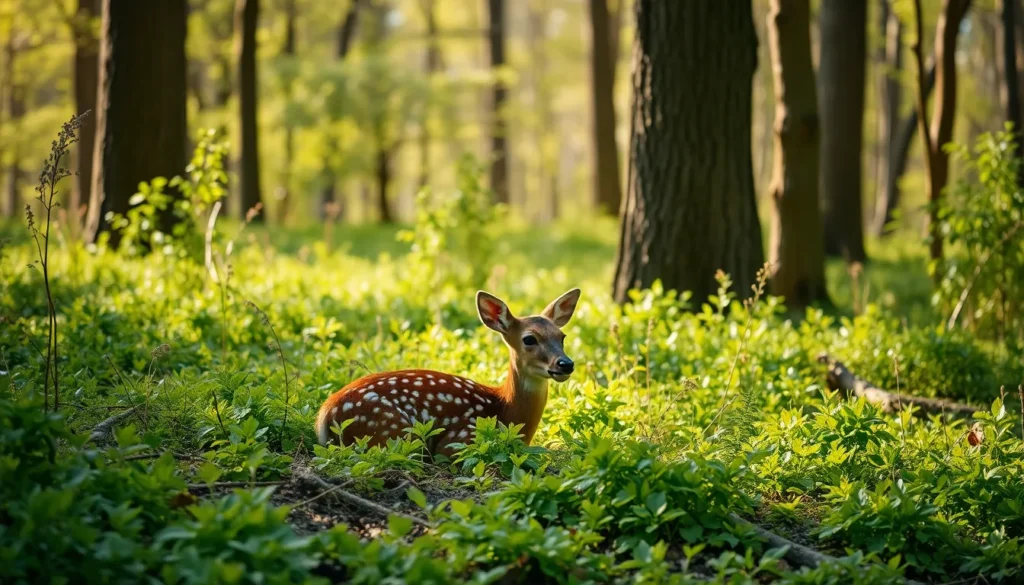
Ever wondered when deer decide to throw their own version of a baby shower? While most of us are busy planning summer barbecues, mother deer are gearing up for one of nature’s most heartwarming events. As spring blooms, so does the anticipation of fawns making their grand entrance into the world.
Understanding Deer Reproduction
Deer reproduction is a critical aspect of their life cycle. Fawns typically arrive in late spring, coinciding with warmer weather and abundant food sources.
The Breeding Season
The breeding season, known as the rut, occurs from late October to early December. Males become more active during this time, seeking females for mating. This period features increased vocalizations and physical confrontations among males. A female can mate with multiple males, leading to genetic diversity within the population.
Factors Influencing Breeding Timing
Breeding timing is influenced by several environmental factors. Geographic location plays a role, as deer in northern regions breed later than those in warmer climates. Additionally, food availability affects reproductive success. Nutritional conditions prior to the rut directly impact body condition and fertility rates. Lastly, daylight hours influence hormonal changes, regulating breeding behaviors in both sexes.
Gestation Period of Deer
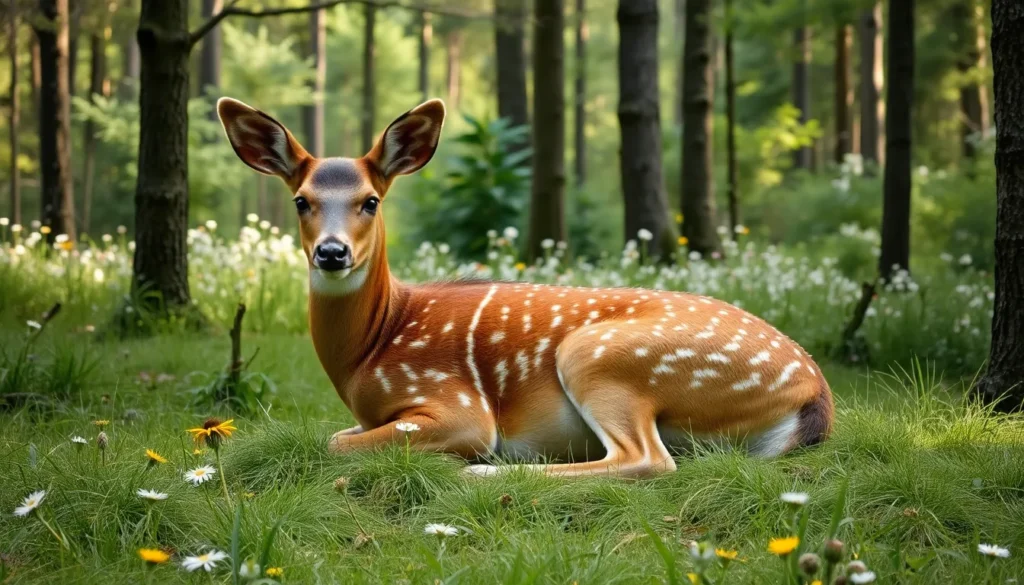
The gestation period for deer plays a crucial role in the timing of fawn births. Deer typically experience a gestation length of about 200 to 210 days. This duration allows the developing fawns to grow sufficiently before birth.
Length of Gestation
A healthy doe carries her fawns for approximately 202 days, with some variations based on species and environmental factors. White-tailed deer often exhibit this range with slight deviations. Fawns born during late spring align with the key seasons for food abundance, supporting their early development. Seasonal changes and geographical location can influence these timings as well.
Signs of Impending Birth
Several signs indicate that a doe is nearing labor. Physical changes, such as increased restlessness, occur as the doe prepares for birth. Additionally, she may isolate herself from other deer. Behavioral shifts include seeking out secluded areas for delivering fawns. Increased grooming and nest-building behavior become apparent, as well. These signals typically emerge as the gestation period approaches its conclusion, ensuring soft bedding for the newborns.
Fawning Season
Fawning season marks a crucial time in the life cycle of deer. Fawns typically arrive between late April and June, aligning with warmer weather and ample food sources.
Timing of Births
Birth timing can vary based on geographic location. In northern regions, fawning occurs later than in southern areas. Peak births often coincide with the increase in vegetation, providing necessary resources for nursing. Factors like daylight hours and weather conditions also play a role, influencing the exact timing of births and ensuring fawns receive optimal care during their early days.
Ideal Conditions for Fawning
Ideal conditions for fawning include sheltered areas with abundant cover. Mother deer seek locations that offer protection from predators and harsh weather. Additionally, access to nutritious forage is essential for recovering does and fostering healthy fawns. Favorable environmental conditions boost the survival rate of newborns, making warm, dry weather advantageous for a successful fawning season.
Fawn Care and Survival
Fawns require dedicated care and protection in their early weeks. Does exhibit strong maternal behavior, fostering their young.
Maternal Behavior
Maternal instincts kick in as soon as fawns are born. Mothers clean their young immediately, stimulating circulation and bonding. She often keeps fawns hidden in vegetation to deter predators and only returns to nurse them. Multiple nursing sessions occur daily, helping fawns gain essential nutrients and hydration. Does also demonstrate vigilance, staying alert to dangers while keeping their fawns safe. Communication occurs through soft vocalizations, ensuring connection between mother and offspring.
Challenges Faced by Newborn Fawns
Newborn fawns encounter several challenges during their initial days. Predators, including coyotes and birds of prey, pose a significant threat to their survival. Harsh weather conditions can lead to complications like hypothermia, especially if fawns are exposed. Limited mobility at birth leaves them vulnerable, making it crucial for does to find refuge in thick cover. Additionally, competition for resources with other wildlife can affect their nourishment. Lastly, human activities, such as habitat loss, further stress the delicate survival of fawns.
The arrival of fawns is a remarkable event in the deer life cycle. As does prepare for this critical time in late spring they ensure their young have the best chance of survival. With careful attention to their environment and maternal instincts they create a nurturing space for their fawns.
Understanding the timing and conditions that influence fawning can deepen appreciation for these animals and their natural behaviors. Observing this process in nature highlights the interconnectedness of wildlife and their habitats. As fawns begin their journey in the wild they symbolize the resilience and beauty of nature’s cycles.