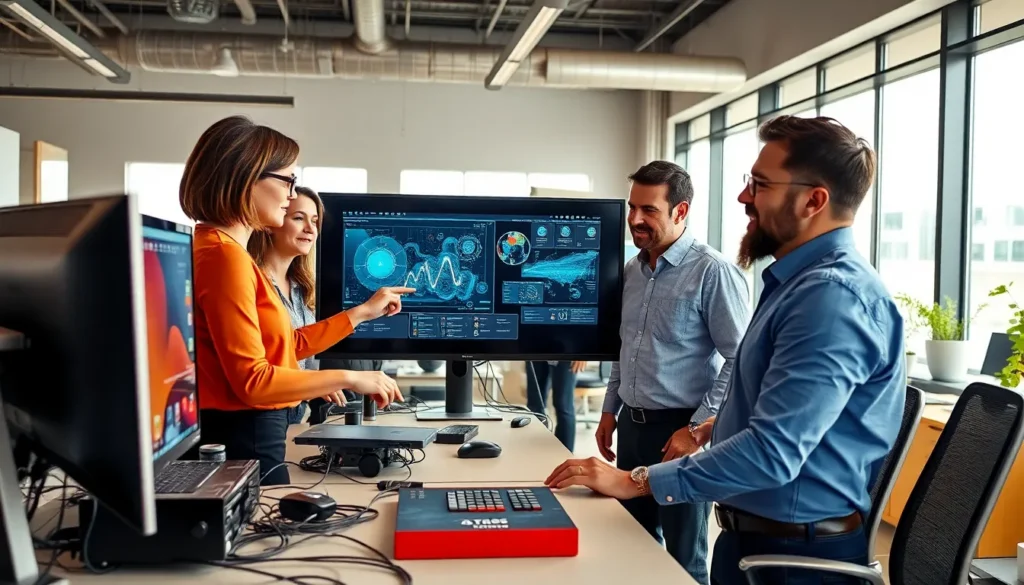
In a world where technology evolves faster than a cat meme goes viral, future-ready hardware is the unsung hero of innovation. Imagine a device that not only meets today’s demands but also anticipates tomorrow’s challenges. That’s the magic of future-ready hardware—it’s like having a crystal ball for your tech needs, minus the mystical smoke and mirrors.
As businesses and consumers alike scramble to keep pace with rapid advancements, investing in hardware that can adapt and grow becomes essential. From smart devices to powerful servers, the right hardware can transform everyday tasks into seamless experiences. So why settle for yesterday’s tech when tomorrow’s possibilities are just a click away? Buckle up as we dive into the world of future-ready hardware and discover how it can supercharge productivity and keep you ahead of the curve.
What Is Future-Ready Hardware?
Future-ready hardware encompasses technology designed to adapt to evolving needs and challenges. Products in this category utilize advanced features that ensure long-term usability. For example, modular designs allow for easy upgrades, enhancing a device’s lifespan. Compatibility with emerging technologies further strengthens the case for this innovative hardware.
Businesses benefit significantly from future-ready hardware. Efficient resource allocation becomes possible as organizations invest in devices that won’t become obsolete quickly. Scalability proves essential for companies planning to grow, enabling seamless integration of new tools or services without starting from scratch.
Consumers also gain advantages from adopting future-ready hardware. Increased performance levels from devices support demanding applications like gaming and professional software. Features such as cloud connectivity facilitate real-time updates, keeping devices relevant. Adopting this technology minimizes disruptions from technological advancements, allowing users to focus on their tasks.
Security remains another critical aspect. Future-ready hardware often includes robust security protocols, addressing concerns surrounding data breaches. Enhanced encryption and biometric technologies ensure protection against unauthorized access.
Future-ready hardware meets current requirements while preparing users for the challenges of tomorrow. Prioritizing features that promote adaptability and compatibility enhances the relevance and longevity of hardware investments. Organizations and individuals alike benefit from embracing this technology for improved efficiency and continued success.
Key Features of Future-Ready Hardware
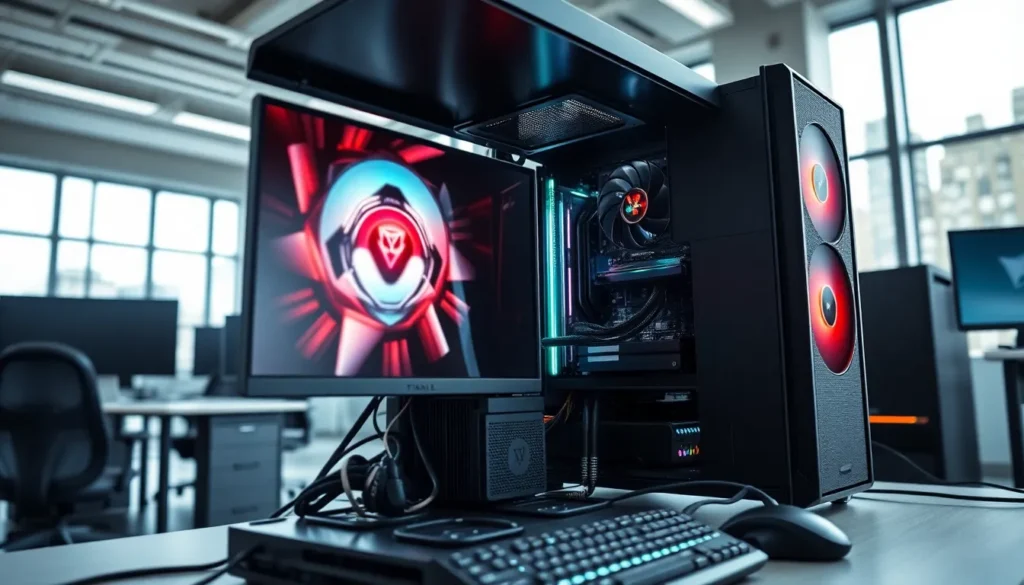
Future-ready hardware includes essential features that ensure durability and adaptability to evolving technological needs. Embracing these characteristics positions users for success.
Scalability
Scalability is vital for future-ready hardware, allowing systems to expand as requirements grow. Devices designed for scalability support increased workload without significant changes. Organizations can easily integrate new tools, improving resource allocation. For instance, cloud-based solutions enhance storage capabilities, accommodating higher data volumes. Diverse usage scenarios demonstrate scalability’s importance in business operations. By investing in scalable hardware, companies can adapt to market changes swiftly.
Performance Optimization
Performance optimization plays a crucial role in future-ready hardware. Enhanced processing power supports demanding applications while ensuring smooth multitasking. Fast memory and advanced graphics capabilities elevate user experiences, meeting the needs of various industries. Demand for efficient computing continues to rise, and hardware must reflect that trend. Responsive devices contribute to increased productivity and satisfaction. Opting for hardware with built-in performance optimization features ensures longevity and versatility.
Energy Efficiency
Energy efficiency is a key component of future-ready hardware. Devices that consume less power contribute to cost savings and environmental sustainability. Efficient hardware maximizes performance while minimizing energy consumption, addressing the growing need for greener technology. Adoption of energy-efficient components, such as low-power processors, extends battery life for portable devices. As a result, users experience optimal performance without compromising eco-friendliness. Investing in energy-efficient hardware represents a commitment to responsible technology use.
Emerging Technologies in Future-Ready Hardware
Emerging technologies shape future-ready hardware, enhancing its adaptability to evolving demands. Two crucial areas include AI integration and quantum computing.
AI Integration
AI integration enhances the capabilities of future-ready hardware. Intelligent systems improve decision-making processes and streamline operations. Machine learning enables devices to learn from user interactions, optimizing performance. For instance, AI-driven analytics allow businesses to predict maintenance needs, reducing downtime. Hardware equipped with dedicated AI chips processes data efficiently, increasing responsiveness. Integration supports seamless collaboration across diverse platforms. As organizations adopt AI, significant improvements in productivity and innovation follow.
Quantum Computing
Quantum computing revolutionizes future-ready hardware with its distinct processing power. Unlike traditional computers, quantum machines utilize qubits to perform complex calculations rapidly. Companies exploring this technology can solve problems currently deemed intractable, such as cryptography and drug discovery. Innovators anticipate that quantum processors will significantly shorten computation time for intricate tasks. Implementing quantum algorithms requires hardware designed for advanced quantum states, ensuring compatibility. Significant advancements in various fields will stem from harnessing quantum computing’s potential, marking a transformative phase in technological evolution.
Challenges in Adopting Future-Ready Hardware
Adoption of future-ready hardware presents several challenges that organizations must navigate. High initial costs often discourage businesses from investing in advanced technologies despite their long-term benefits. Limited budgets restrict opportunities for many smaller companies to upgrade their infrastructure.
Integration with existing systems proves difficult, creating compatibility issues. Organizations require careful planning to ensure new hardware works seamlessly with legacy systems. Training staff on new technologies is another hurdle, as employees need time to adapt to advanced features and capabilities.
Rapid technological advancements can also lead to obsolescence. Organizations might face uncertainty about whether newly adopted hardware will remain relevant within a short timeframe. Insufficient knowledge about emerging technologies further complicates the decision-making process, preventing organizations from making informed investments.
Market dynamics change frequently, impacting the relevance of specific hardware choices. Companies must stay updated on trends to avoid investing in outdated solutions. Cybersecurity threats exacerbate concerns, as future-ready hardware must incorporate robust security measures to protect sensitive data.
Support for future-ready hardware could be limited as well. Finding specialized technicians familiar with advanced systems could pose a challenge, especially in niche markets. Organizational change resistance might hinder adoption, as employees become accustomed to established workflows and processes.
Evaluating return on investment remains crucial. Stakeholders require clear metrics that showcase the benefits of transitioning to future-ready solutions. Balancing potential gains against inherent risks plays a significant role in the adoption process.
Embracing future-ready hardware is essential for anyone looking to thrive in a fast-paced technological environment. By investing in adaptable and efficient solutions, organizations and consumers can position themselves to meet evolving demands while maximizing productivity. The integration of advanced features like scalability and energy efficiency ensures that these technologies remain relevant and effective over time.
As the landscape continues to shift with innovations like AI and quantum computing, staying ahead of the curve becomes increasingly important. Future-ready hardware not only enhances operational capabilities but also fosters a culture of innovation. Those who prioritize these investments will likely find themselves better equipped to tackle the challenges of tomorrow.