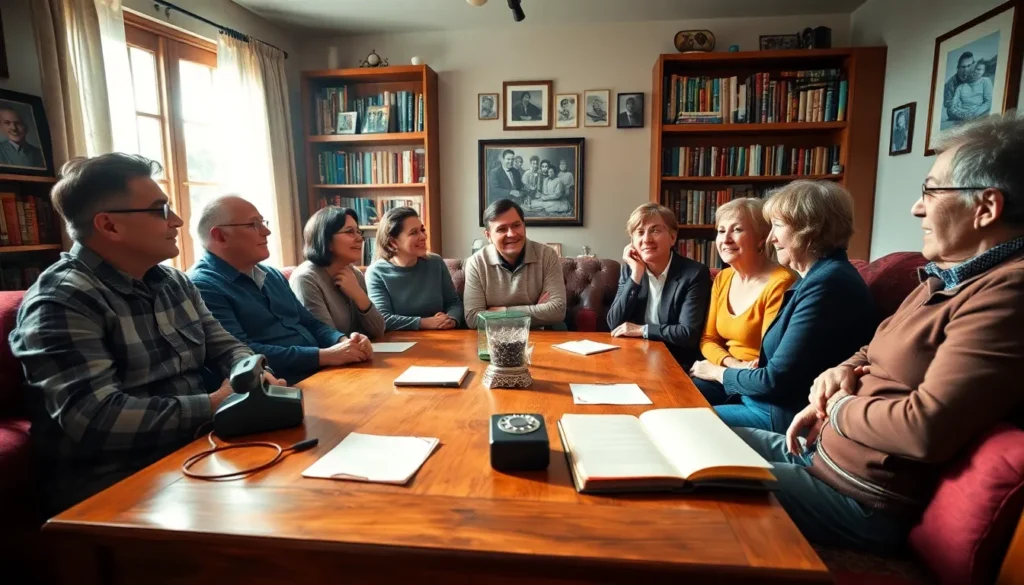
Imagine a world where the only thing making noise was the crank of a rotary phone. No pings. No notifications. Just the simple joys of life. Before the digital frenzy took over, people connected face-to-face. Conversations flowed like a good cup of coffee, rich and robust. In a time where affection wasn’t measured in likes or shares, relationships thrived on genuine connections. As laughable as it may seem today, life without social media had its perks, and it’s about time we pay homage to that era. Buckle up as we explore the communication landscape, leisure activities, and everything else that made life beautifully uncomplicated.
The Communication Landscape
Personal Connections and Interactions
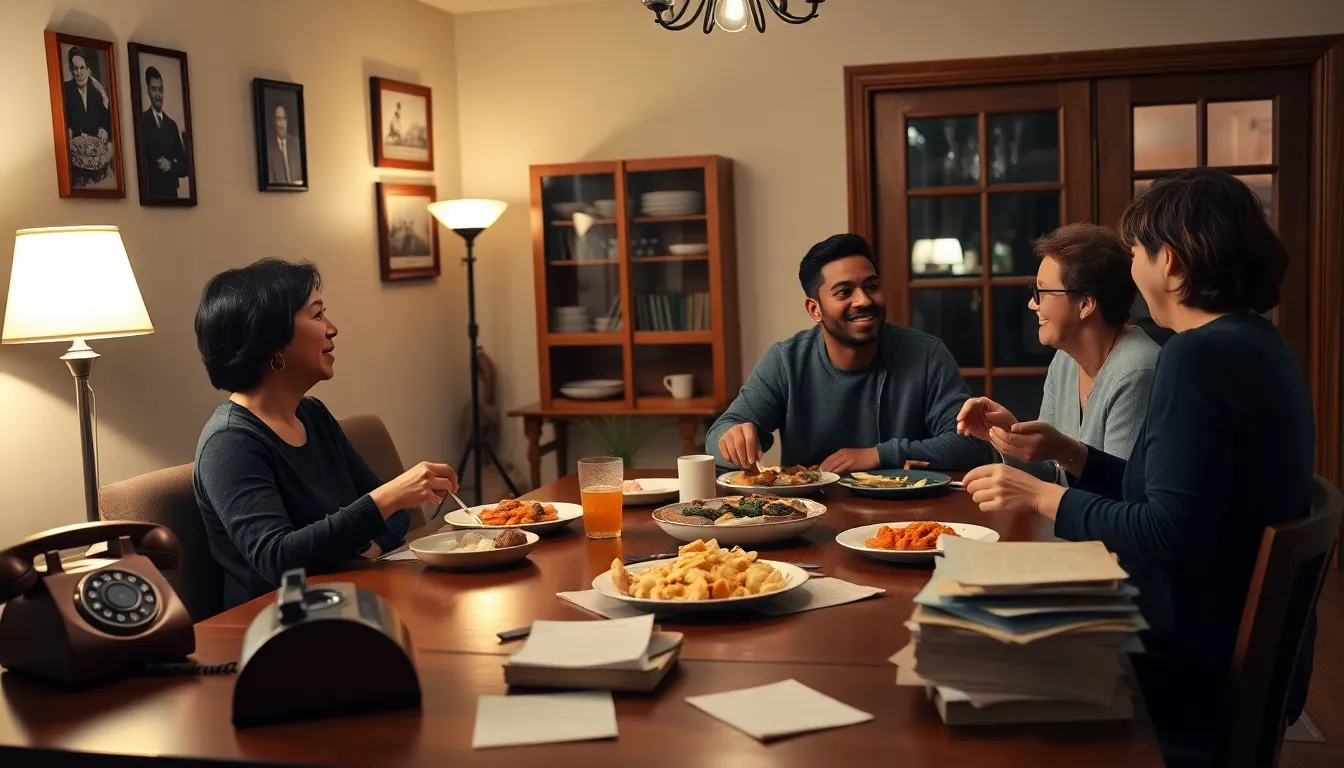
In the days before social media, emotional connections flourished through personal interactions. Friends would gather in living rooms, swapping stories and laughter over a hearty dinner. The bonds formed during these moments were often thicker than the strongest Wi-Fi signal today.
Face-to-Face Communication
Face-to-face communication reigned supreme. Without the buffering of a screen, individuals engaged in heartfelt conversations, reading body language and facial expressions. Whether it was a light-hearted chat at the café or a serious discussion in the park, the depth of understanding achieved was unmatched.
Letter Writing and Phone Calls
Ah, the joy of receiving a handwritten letter. There’s something magical about ink on paper that digital messages just can’t replicate. A letter could brighten someone’s day or carry significant news across miles. And phone calls. They offered the thrill of instant connection without the distractions we face today. No doubt, waiting for a friend to call back added a delightful air of suspense. In such a world, communication was cherished and careful.
Social Activities and Entertainment
Community Engagement and Events
Social activities in the pre-social media world focused on community engagement. Local events like fairs, parades, and potlucks drew people together. Neighbors would catch up and share stories live and in color. The vibrancy of a community was palpable as residents shook hands, exchanged smiles, and created lasting memories.
Family Gatherings and Reunions
Family gatherings thrived on the love and laughter shared in-person. Holidays were monumental with everyone seated around the dining table, relishing delicious meals and swapping tales of yesteryears. Reunions were grand affairs where the family tree blossomed with new connections.
Hobbies and Pastimes
When the day wound down, hobbies filled the evenings. People immersed themselves in painting, reading, and crafting instead of scrolling through their feeds. Game nights became legendary, with families battling it out over board games, leaving behind a legacy of lighthearted competition and camaraderie.
Information Consumption and Sharing
Media Access and News Consumption
The way we consumed news has transformed dramatically. Before social media, newspapers and news channels were the go-to sources for information. Individuals would eagerly await the morning paper, its crisp pages unveiling the world’s events. The anticipation detonated a sense of community and curiosity.
Libraries and Print Media
Libraries served as sanctuaries of knowledge. People spent afternoons poring over encyclopedias and novels, savoring the silence punctuated only by pages turning. Print media held a unique allure. The scent of paper, the joy of flicking through magazines, these sensory experiences are hard to replicate.
The Role of Traditional Advertising
Advertising in this era leaned on creativity, imagination, and a sprinkle of charm. Billboards, radio jingles, and print ads delivered messages that stick to the mind. Such tangible forms of advertising allowed brands to curate a memorable image without the clutter of endless feeds. People reminisced about catchy slogans rather than hunting for hidden meanings behind hashtags.
Mental Health and Well-Being
The Impact of Social Isolation
While social interaction was abundant, solitude was viewed differently before social media. Isolation didn’t equate to neglect: it often meant time for self-reflection or pursuing personal passions. Interestingly, this form of downtime seemed enriching rather than daunting.
Comparing Mental Health Pre- and Post-Social Media
Studies reveal that mental health conditions were comparatively stable pre-social media. Anxiety didn’t spiral due to FOMO or curated realities. Instead, individuals relied on real-life support systems, community bonds, and healthy routines that fostered resilience.
Cultivating Authentic Relationships
Face-to-face interactions naturally nurtured authentic relationships. Trust blossomed as people engaged without the lens of comparison or judgment. Each moment spent together anchored connections deeply, creating lasting support that weathered life’s storms.