
In a world increasingly concerned about environmental degradation, the term “green cloud computing” often pops up, promising not just efficiency but also a more eco-friendly approach to technology. Imagine a future where your data isn’t just stored safely but also nurtured in a digital garden, blossoming without wilting our planet. Sounds like a fairy tale? Well, it’s becoming a reality faster than you can say “carbon footprint.” Let’s plunge into the verdant depths of this exciting revolution.
What Is Green Cloud Computing?
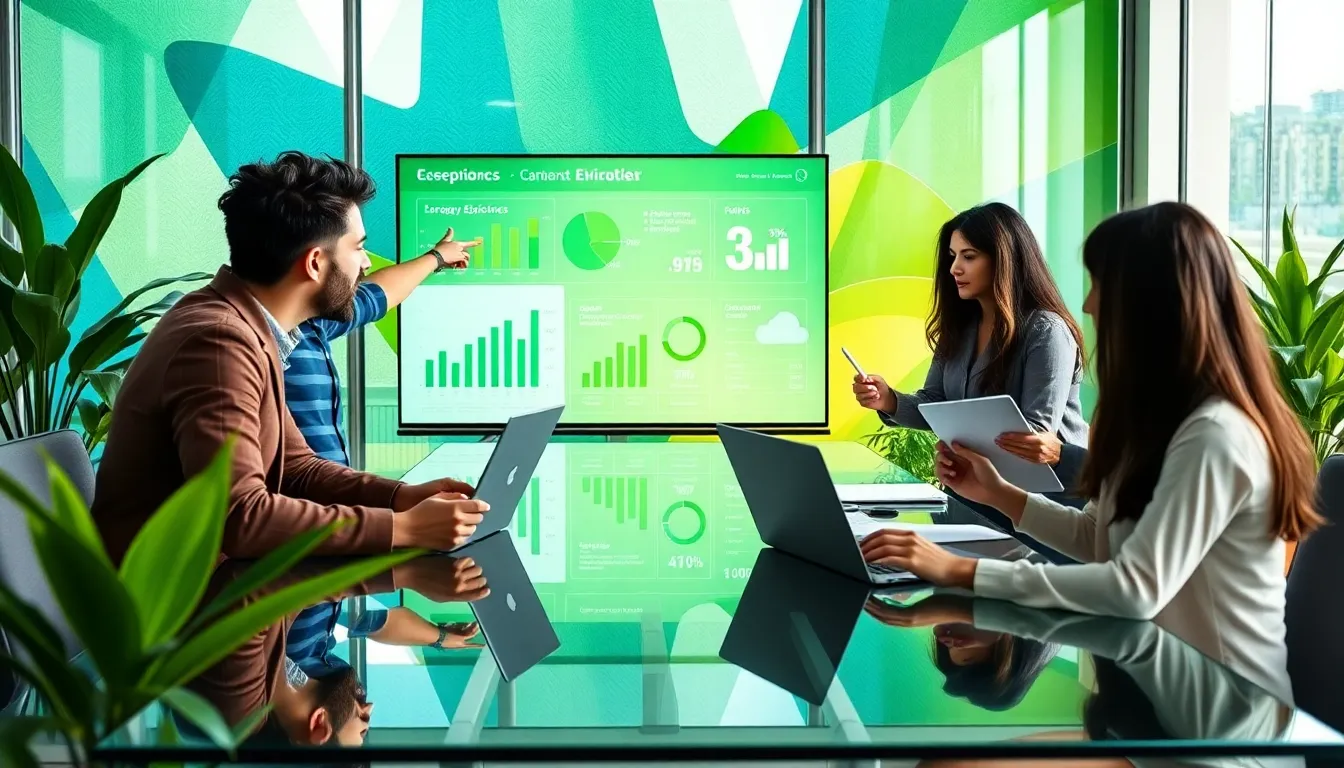
At its core, green cloud computing refers to the environmentally responsible management of data and resources in the cloud. It combines the efficiency of cloud services with sustainable practices, striving for a balance between technology and nature. This approach emphasizes energy efficiency, reduced carbon emissions, and sustainable resource management. Instead of merely a buzzword, green cloud computing represents a paradigm shift in managing digital resources, pushing businesses towards eco-conscious choices in a competitive IT landscape. By utilizing renewable energy sources, optimizing data centers, and emphasizing virtualization, organizations can significantly reduce their environmental impact while still achieving the scalability and flexibility that cloud computing offers.
Benefits of Green Cloud Computing
Embracing green cloud computing comes with a myriad of benefits that extend beyond just a reduced carbon footprint. Here are some key advantages:
- Cost Savings: Many companies discover that adopting green technologies often leads to financial savings. Efficient use of resources can reduce energy costs significantly over time.
- Improved Brand Image: Organizations prioritizing sustainability can enhance their reputation, attracting eco-conscious customers and partners.
- Regulatory Compliance: With governments increasingly implementing regulations around sustainability, businesses that adopt green practices often find themselves ahead of the curve, avoiding penalties and benefiting from incentives.
- Enhanced Performance: By optimizing workloads and utilizing advanced technologies, companies can improve their operational efficiency, yielding better overall performance.
- Simplified Scalability: Green cloud solutions often integrate seamlessly into existing architectures, paving the way for organizations to scale responsibly without overburdening their resources.
Key Technologies Promoting Green Cloud Practices
To achieve the goals set forth by green cloud computing, a blend of innovative technologies plays a pivotal role. Here are some notable players in this arena:
- Virtualization: This technology allows multiple virtual instances to run on a single physical server, enhancing resource utilization and energy efficiency.
- Serverless Computing: By eliminating the need for dedicated servers for every application, serverless architectures allow for on-demand resource allocation, which reduces waste.
- Energy-Efficient Data Centers: The emergence of data centers designed with energy efficiency in mind has transformed the landscape. Designs often incorporate cooling techniques and sustainable energy sources to power their operations.
- AI and Machine Learning: These advanced technologies help optimize resource use, predict workloads, and manage network traffic, which can lead to significant energy savings.
Challenges in Implementing Green Cloud Solutions
While the advantages of green cloud computing are many, adopting these practices is not without its challenges. Organizations may face several hurdles:
- High Initial Costs: Transitioning to greener technologies often involves a substantial upfront investment, which can deter some businesses from making the leap.
- Lack of Expertise: Not every organization has in-house expertise about green technologies, and finding or training personnel becomes essential.
- Integration Issues: Merging existing infrastructures with new green technologies can be complex and may require significant adjustments in operational processes.
- Vendor Reliability: Companies may struggle to find reliable vendors who can provide the necessary green solutions without compromising on affordability or performance.
Future Trends in Green Cloud Computing
The landscape of green cloud computing is constantly evolving, and several trends are beginning to take shape:
- Increased Adoption of Renewable Energy: Companies will continue to shift their data centers to renewable energy sources like solar and wind, minimizing reliance on fossil fuels.
- Circular Economy Practices: Expect to see businesses adopting circular economy principles, focusing on sustainability throughout the product lifecycle, from manufacturing to end-of-life.
- Advanced Analytics: Utilizing data analytics to monitor and optimize energy consumption in real-time will become commonplace, helping organizations make data-driven decisions seamlessly.
- Government Policies and Incentives: With more governments pushing for a greener future, compliance pressures and incentives may accelerate the shift to green practices, spurring further investment in technology.